Buy linux-fans.com ?
We are moving the project
linux-fans.com .
Are you interested in purchasing the domain
linux-fans.com ?
domain@kv-gmbh.de · 0541-91531010
Buy linux-fans.com ?
Are wages liabilities?
Yes, wages are considered liabilities for a company because they represent an obligation to pay employees for their work. From an accounting perspective, wages are typically recorded as a liability on the company's balance sheet until they are paid to the employees. This reflects the company's obligation to fulfill its financial commitments to its employees. Therefore, wages are classified as a liability until they are settled. **
What are liabilities and receivables?
Liabilities are obligations or debts that a company owes to external parties, such as loans, accounts payable, or accrued expenses. They represent the company's financial responsibilities that must be settled in the future. Receivables, on the other hand, are amounts owed to a company by its customers or other parties for goods or services provided. They represent the company's right to receive payment and are considered assets on the company's balance sheet. Both liabilities and receivables are important components of a company's financial position and are crucial for assessing its overall financial health. **
Similar search terms for Liabilities
Top-Angebote
Products related to Liabilities:
-
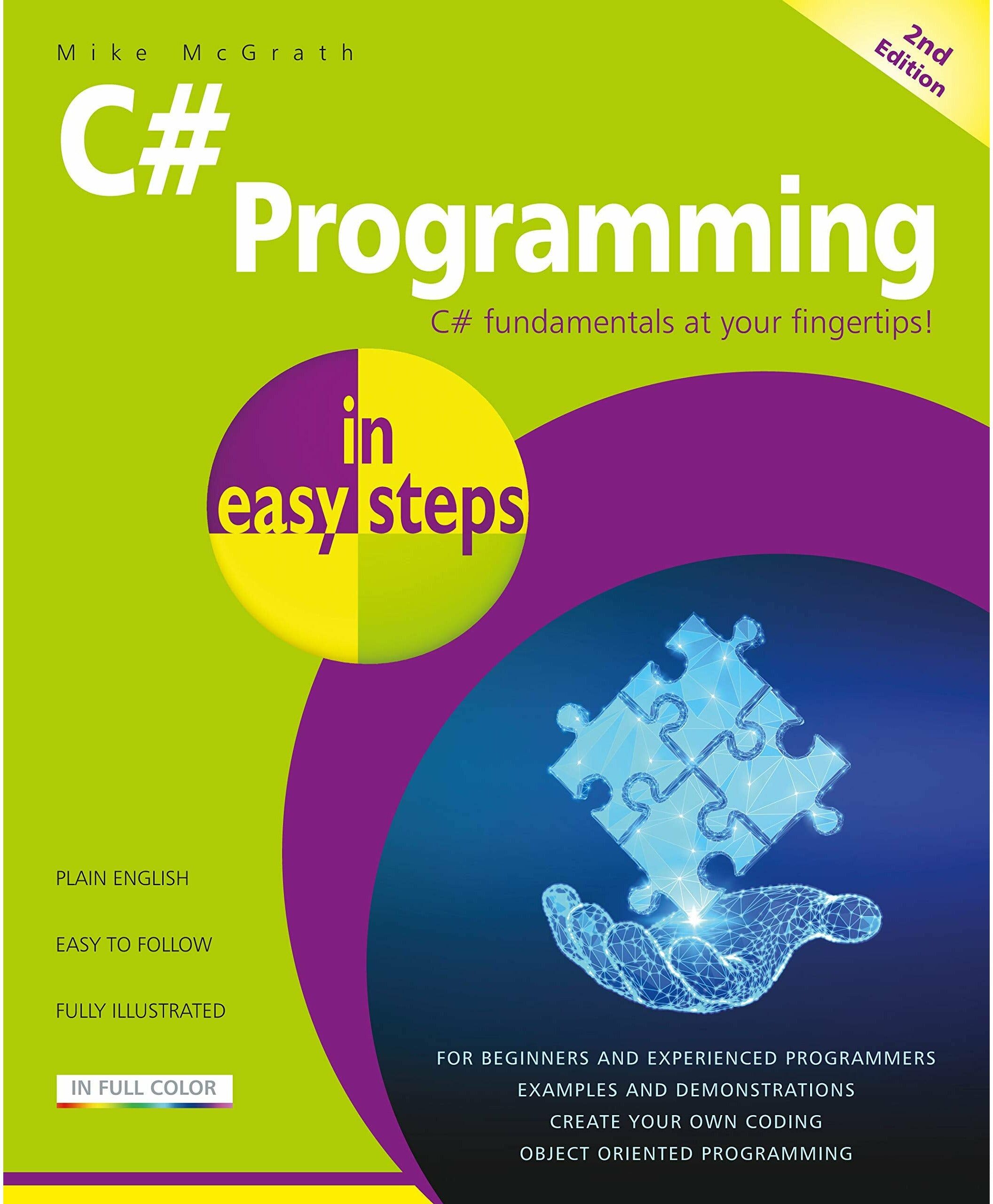
In Easy Steps Limited C# Programming in easy steps, 2nd edition by Mike McGrathC# Programming in easy steps, 2nd edition will teach you to code applications, and demonstrates every aspect of the C# language you will need to produce professional programming results. Its examples provide clear syntax-highlighted code showing C# language basics including variables, arrays, logic, looping, methods, and classes. C# Programming in easy steps, 2nd edition begins by explaining how to install the free Visual Studio Community Edition, to create an environment in which you can quickly begin to create your own executable programs by copying the book's examples. It demonstrates all the C# language basics before moving on to provide examples of Object Oriented Programming. The book concludes by demonstrating how you can use your acquired knowledge to create graphic programs for traditional PC Desktop apps, and also as Universal apps for multiple devices. C# Programming in easy steps, 2nd edition has an easy-to-follow style that will appeal to: Anyone who wants to begin programming in C# The programmer who quickly wants to add C# to their skills set The hobbyist who wants to begin creating apps for their own computer The student, and to those seeking a career in computing, who need a fundamental understanding of C# programming Table of contents: Getting started Storing values Performing operations Making statements Devising methods Handling strings Accessing files Solving problems Creating objects Controlling events Building an application Targeting devices4,98 £*Shipping: 1,99 £Secure redirect to the provider
-
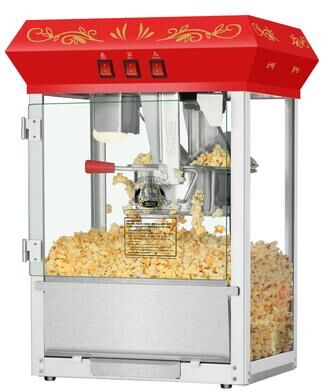
Great Northern Popcorn 8oz Carnival Countertop Popcorn Machine with 5 All-in-One Kernel Packs (Red)Bring movie theater style popcorn to your home, office, or business with the Movie Night Countertop Popcorn Maker Machine for Home by Superior Popcorn Company.249,99 $*Shipping: 0,00 $Secure redirect to the provider
-
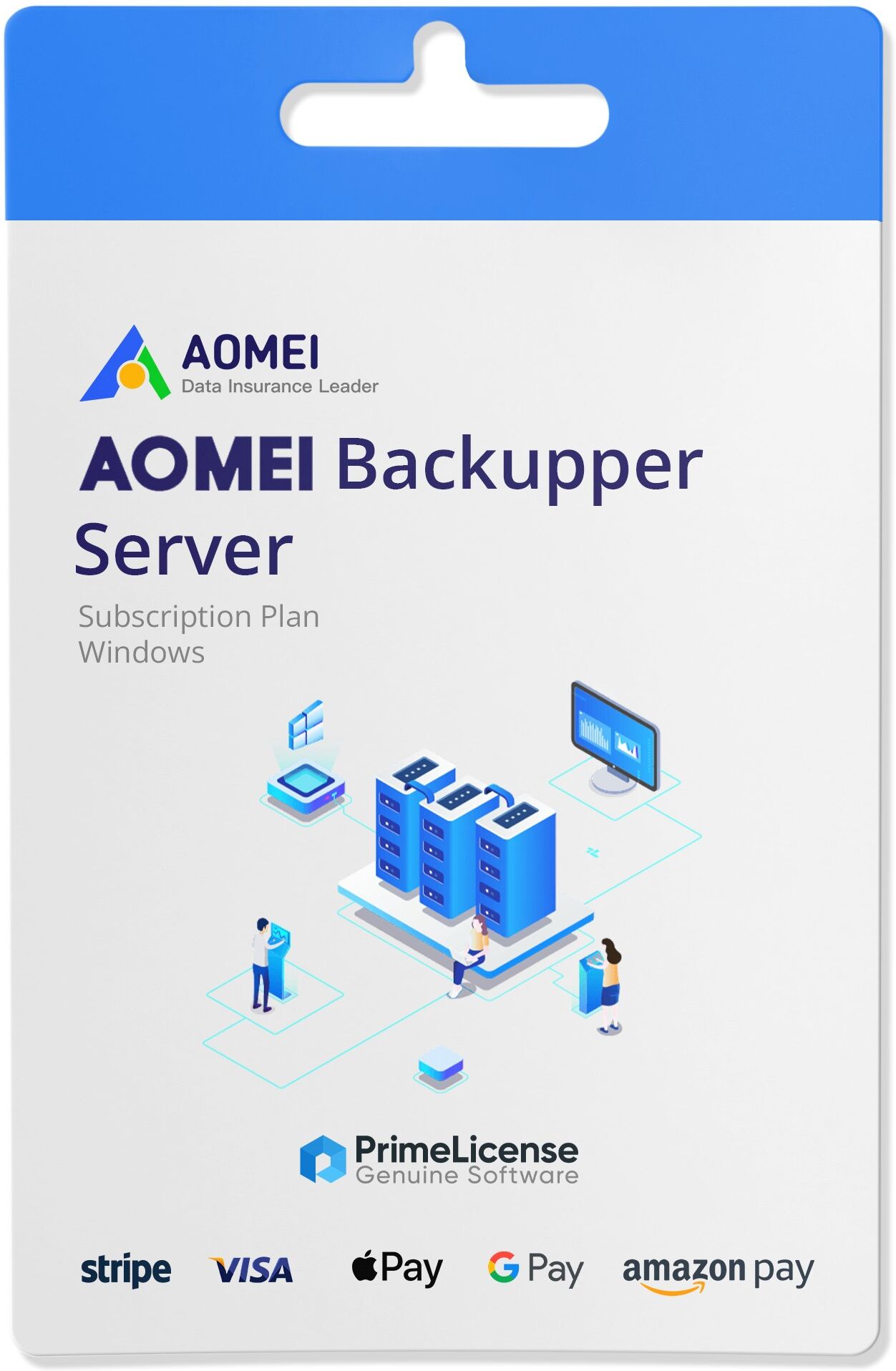
AOMEI Backupper ServerAOMEI Backupper Server is backup and recovery software designed specifically for the needs of small and medium-sized enterprises. With a comprehensive range of tools, it offers effective solutions for securing data on Windows servers. This programme is ideal for anyone wishing to protect their data from accidental loss or cyber-attacks such as ransomware.With a lifetime licence of AOMEI Backupper Server you get complete restoration and protection of your data at a price unmatched in the market.PrimeLicense is also an authorised AOMEI partner and vendor, guaranteeing product authenticity and a genuine warranty on your purchases. Key Features Flexible Backup: AOMEI Backupper Server allows you to perform full, incremental and differential backups, allowing you to choose exactly what data to protect. Entire systems, specific partitions or individual files can be backed up. Fast Recovery: In the event of a system failure, recovery is fast and simple. You can restore the entire server or specific parts within minutes, minimising downtime. Disk Cloning: The cloning function allows you to easily transfer data from one disk to another, useful when upgrading to an SSD or migrating to new machines. File Synchronisation: AOMEI Backupper offers real-time synchronisation options, ensuring files are always up-to-date across multiple devices or folders. Automatic Scheduling: Users can set up regular, automatic backups in different modes (daily, weekly, monthly), facilitating data management without the need for constant supervision. Advanced Protection: The software includes features for backup encryption and intelligent disk space management, automatically deleting old backup images according to user-defined criteria. Intuitive Interface: The user interface is simple and easy to navigate, making AOMEI Backupper accessible even to novice users. Cloud Support: Data can be backed up to secure cloud storage, adding an extra layer of protection to sensitive data. Why Choose AOMEI Backupper Server? TheAOMEI Backupper Server stands out for its combination of advanced functionality and ease of use. It is an economical solution compared to other options on the market, without compromising on quality of service. Whether you are an IT professional or a business owner looking to protect your company data, the AOMEI Backupper Server is an excellent choice for ensuring business continuity and information security. With the AOMEI Backupper Server, you can have the peace of mind that your data is safe and easily recoverable in the event of a disaster. Don't leave your data vulnerable; choose the AOMEI Backupper Server for complete and reliable protection.94,90 £*Shipping: 0,00 £Secure redirect to the provider
-
What are transitory assets and/or liabilities?
Transitory assets and/or liabilities are items on a company's balance sheet that are expected to be settled or used up within a relatively short period of time, typically within one year. These items are considered to be temporary in nature and are not expected to have a long-term impact on the company's financial position. Examples of transitory assets include cash, accounts receivable, and inventory, while examples of transitory liabilities include accounts payable and short-term debt. It is important for investors and analysts to understand the nature of these transitory items when evaluating a company's financial health and performance. **
-
Why is equity on the liabilities side?
Equity is placed on the liabilities side of the balance sheet because it represents the claims of the company's owners or shareholders on the company's assets. It is considered a liability because the company has an obligation to its owners to repay their investment in the business. However, unlike other liabilities, equity does not have a fixed repayment schedule and is considered a residual claim, meaning it is only paid out after all other liabilities have been settled. Therefore, equity is categorized as a liability on the balance sheet to accurately reflect the financial obligations of the company. **
-
How are the assets and liabilities evaluated?
Assets and liabilities are evaluated based on their current market value or book value. For assets, this means determining their fair market value, which is the price that they could be sold for in the current market. Liabilities are evaluated based on their current outstanding balance or the amount that is owed. This evaluation helps to determine the financial health and position of a company, as well as its ability to meet its financial obligations. **
-
What is a statement of assets and liabilities?
A statement of assets and liabilities is a financial document that provides a snapshot of an individual's or organization's financial position at a specific point in time. It lists all the assets, such as cash, investments, property, and equipment, as well as all the liabilities, such as loans, mortgages, and other debts. The statement helps to assess the overall financial health and solvency of the entity by comparing the total assets to the total liabilities. It is an essential tool for financial planning, decision-making, and assessing the ability to meet financial obligations. **
How can liabilities be settled in other ways?
Liabilities can be settled in other ways through various means such as debt restructuring, where the terms of the debt are renegotiated to make it more manageable for the debtor. Another way is through debt-for-equity swaps, where the creditor agrees to convert the debt into an ownership stake in the debtor's company. Additionally, liabilities can be settled through the sale of assets, where the debtor sells off assets to generate cash to pay off the liabilities. Finally, some liabilities can be settled through the issuance of new debt to replace the existing liabilities, known as refinancing. **
What is the difference between receivables and liabilities?
Receivables are amounts owed to a company by its customers or other parties for goods or services provided, while liabilities are obligations or debts that a company owes to its creditors or other parties. In other words, receivables represent money that is owed to the company, while liabilities represent money that the company owes to others. Receivables are considered assets on the company's balance sheet, while liabilities are recorded as obligations or debts. **
Top-Angebote
Products related to Liabilities:
-
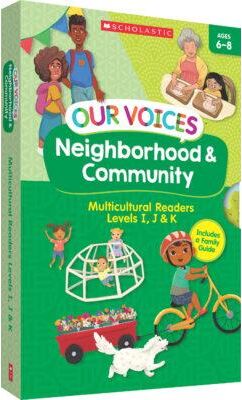
Our Voices: Neighborhood & Community Boxed SetFoster a feeling of belonging while building key reading skills with these colorful storybooks that spotlight a variety of neighborhoods and communities. The 10 charming stories feature characters from different cultural backgrounds who learn about...30,59 $*Shipping: 0,00 $Secure redirect to the provider
-
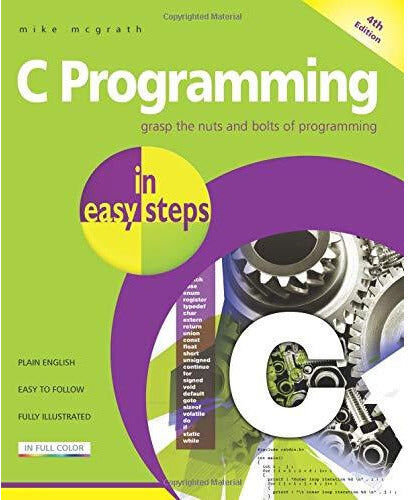
In Easy Steps Limited C Programming In Easy Steps 4th EditionC Programming in easy steps has an easy-to-follow style that will appeal to anyone who wants to begin programming in C, from programmers moving from another programming language, to the student who is studying C programming at school or college, or to those seeking a career in computing who need a fundamental understanding of procedural programming. C Programming in easy steps begins by explaining how to download and install a free C compiler so that you can quickly begin to create your own executable programs by copying the book's examples. You need have no previous knowledge of any programming language so it's ideal for the newcomer to computer programming. Each chapter builds your knowledge of C. C Programming in easy steps contains separate chapters on the major features of the C language. There are complete example programs that demonstrate each aspect of C together with screenshots that illustrate the output when that program has been executed. The sample code provided all has colored syntax-highlighting for clearer understanding. By the end of this book you will have gained a sound understanding of the C language and be able to write your own C programs and compile them into executable files that can be run on any compatible computer. Fully updated and revised since the third edition, which was published in April 2009.5,49 £*Shipping: 2,99 £Secure redirect to the provider
-
In Easy Steps Limited C# Programming in easy steps, 2nd edition by Mike McGrathC# Programming in easy steps, 2nd edition will teach you to code applications, and demonstrates every aspect of the C# language you will need to produce professional programming results. Its examples provide clear syntax-highlighted code showing C# language basics including variables, arrays, logic, looping, methods, and classes. C# Programming in easy steps, 2nd edition begins by explaining how to install the free Visual Studio Community Edition, to create an environment in which you can quickly begin to create your own executable programs by copying the book's examples. It demonstrates all the C# language basics before moving on to provide examples of Object Oriented Programming. The book concludes by demonstrating how you can use your acquired knowledge to create graphic programs for traditional PC Desktop apps, and also as Universal apps for multiple devices. C# Programming in easy steps, 2nd edition has an easy-to-follow style that will appeal to: Anyone who wants to begin programming in C# The programmer who quickly wants to add C# to their skills set The hobbyist who wants to begin creating apps for their own computer The student, and to those seeking a career in computing, who need a fundamental understanding of C# programming Table of contents: Getting started Storing values Performing operations Making statements Devising methods Handling strings Accessing files Solving problems Creating objects Controlling events Building an application Targeting devices4,98 £*Shipping: 1,99 £Secure redirect to the provider
-
Great Northern Popcorn 8oz Carnival Countertop Popcorn Machine with 5 All-in-One Kernel Packs (Red)Bring movie theater style popcorn to your home, office, or business with the Movie Night Countertop Popcorn Maker Machine for Home by Superior Popcorn Company.249,99 $*Shipping: 0,00 $Secure redirect to the provider
-
Are wages liabilities?
Yes, wages are considered liabilities for a company because they represent an obligation to pay employees for their work. From an accounting perspective, wages are typically recorded as a liability on the company's balance sheet until they are paid to the employees. This reflects the company's obligation to fulfill its financial commitments to its employees. Therefore, wages are classified as a liability until they are settled. **
-
What are liabilities and receivables?
Liabilities are obligations or debts that a company owes to external parties, such as loans, accounts payable, or accrued expenses. They represent the company's financial responsibilities that must be settled in the future. Receivables, on the other hand, are amounts owed to a company by its customers or other parties for goods or services provided. They represent the company's right to receive payment and are considered assets on the company's balance sheet. Both liabilities and receivables are important components of a company's financial position and are crucial for assessing its overall financial health. **
-
What are transitory assets and/or liabilities?
Transitory assets and/or liabilities are items on a company's balance sheet that are expected to be settled or used up within a relatively short period of time, typically within one year. These items are considered to be temporary in nature and are not expected to have a long-term impact on the company's financial position. Examples of transitory assets include cash, accounts receivable, and inventory, while examples of transitory liabilities include accounts payable and short-term debt. It is important for investors and analysts to understand the nature of these transitory items when evaluating a company's financial health and performance. **
-
Why is equity on the liabilities side?
Equity is placed on the liabilities side of the balance sheet because it represents the claims of the company's owners or shareholders on the company's assets. It is considered a liability because the company has an obligation to its owners to repay their investment in the business. However, unlike other liabilities, equity does not have a fixed repayment schedule and is considered a residual claim, meaning it is only paid out after all other liabilities have been settled. Therefore, equity is categorized as a liability on the balance sheet to accurately reflect the financial obligations of the company. **
Similar search terms for Liabilities
-
AOMEI Backupper ServerAOMEI Backupper Server is backup and recovery software designed specifically for the needs of small and medium-sized enterprises. With a comprehensive range of tools, it offers effective solutions for securing data on Windows servers. This programme is ideal for anyone wishing to protect their data from accidental loss or cyber-attacks such as ransomware.With a lifetime licence of AOMEI Backupper Server you get complete restoration and protection of your data at a price unmatched in the market.PrimeLicense is also an authorised AOMEI partner and vendor, guaranteeing product authenticity and a genuine warranty on your purchases. Key Features Flexible Backup: AOMEI Backupper Server allows you to perform full, incremental and differential backups, allowing you to choose exactly what data to protect. Entire systems, specific partitions or individual files can be backed up. Fast Recovery: In the event of a system failure, recovery is fast and simple. You can restore the entire server or specific parts within minutes, minimising downtime. Disk Cloning: The cloning function allows you to easily transfer data from one disk to another, useful when upgrading to an SSD or migrating to new machines. File Synchronisation: AOMEI Backupper offers real-time synchronisation options, ensuring files are always up-to-date across multiple devices or folders. Automatic Scheduling: Users can set up regular, automatic backups in different modes (daily, weekly, monthly), facilitating data management without the need for constant supervision. Advanced Protection: The software includes features for backup encryption and intelligent disk space management, automatically deleting old backup images according to user-defined criteria. Intuitive Interface: The user interface is simple and easy to navigate, making AOMEI Backupper accessible even to novice users. Cloud Support: Data can be backed up to secure cloud storage, adding an extra layer of protection to sensitive data. Why Choose AOMEI Backupper Server? TheAOMEI Backupper Server stands out for its combination of advanced functionality and ease of use. It is an economical solution compared to other options on the market, without compromising on quality of service. Whether you are an IT professional or a business owner looking to protect your company data, the AOMEI Backupper Server is an excellent choice for ensuring business continuity and information security. With the AOMEI Backupper Server, you can have the peace of mind that your data is safe and easily recoverable in the event of a disaster. Don't leave your data vulnerable; choose the AOMEI Backupper Server for complete and reliable protection.94,90 £*Shipping: 0,00 £Secure redirect to the provider
-
How are the assets and liabilities evaluated?
Assets and liabilities are evaluated based on their current market value or book value. For assets, this means determining their fair market value, which is the price that they could be sold for in the current market. Liabilities are evaluated based on their current outstanding balance or the amount that is owed. This evaluation helps to determine the financial health and position of a company, as well as its ability to meet its financial obligations. **
-
What is a statement of assets and liabilities?
A statement of assets and liabilities is a financial document that provides a snapshot of an individual's or organization's financial position at a specific point in time. It lists all the assets, such as cash, investments, property, and equipment, as well as all the liabilities, such as loans, mortgages, and other debts. The statement helps to assess the overall financial health and solvency of the entity by comparing the total assets to the total liabilities. It is an essential tool for financial planning, decision-making, and assessing the ability to meet financial obligations. **
-
How can liabilities be settled in other ways?
Liabilities can be settled in other ways through various means such as debt restructuring, where the terms of the debt are renegotiated to make it more manageable for the debtor. Another way is through debt-for-equity swaps, where the creditor agrees to convert the debt into an ownership stake in the debtor's company. Additionally, liabilities can be settled through the sale of assets, where the debtor sells off assets to generate cash to pay off the liabilities. Finally, some liabilities can be settled through the issuance of new debt to replace the existing liabilities, known as refinancing. **
-
What is the difference between receivables and liabilities?
Receivables are amounts owed to a company by its customers or other parties for goods or services provided, while liabilities are obligations or debts that a company owes to its creditors or other parties. In other words, receivables represent money that is owed to the company, while liabilities represent money that the company owes to others. Receivables are considered assets on the company's balance sheet, while liabilities are recorded as obligations or debts. **
* All prices are inclusive of VAT and, if applicable, plus shipping costs. The offer information is based on the details provided by the respective shop and is updated through automated processes. Real-time updates do not occur, so deviations can occur in individual cases. ** Note: Parts of this content were created by AI.