Buy linux-fans.com ?
We are moving the project
linux-fans.com .
Are you interested in purchasing the domain
linux-fans.com ?
domain@kv-gmbh.de · 0541-91531010
Buy linux-fans.com ?
What is the difference between a PWR fan and a chassis fan?
A PWR fan is typically used in a power supply unit to cool down the components inside the PSU, ensuring they operate within safe temperature ranges. On the other hand, a chassis fan is used to cool down the internal components of the computer case, such as the CPU, GPU, and motherboard. While both fans serve the purpose of cooling down components, they are designed for different parts of the computer system and have different cooling requirements. **
Is the red PWR LED of the Raspberry Pi 4 B permanently turned off?
No, the red PWR LED of the Raspberry Pi 4 B is not permanently turned off. This LED indicates the power status of the Raspberry Pi, and it should be on when the device is powered on. If the red PWR LED is permanently turned off, it could indicate a power supply issue or a problem with the Raspberry Pi itself. It's important to troubleshoot and address the issue to ensure the proper functioning of the device. **


Similar search terms for Pwr
Top-Angebote
Products related to Pwr:
-
Zebra CBL-DC-388A1-01 DC Line Cord for PWR-BGA12V50W0WW Power SupplyZebra CBL-DC-388A1-01 DC line cord. Connects the Zebra PWR-BGA12V50W0WW Level VI 12V/50W power supply to a single-slot charging cradle for Zebra mobile computers. Power supply sold separately.22,49 £*Shipping: 0,00 £Secure redirect to the provider
-
Zebra PWR-BGA12V108W0WW 12V 9A 108W Power Supply for 5-Slot Charging CradleZebra 108 W level VI AC/DC power supply for Zebra 5-slot charging and communication cradles (TC5x/TC2x/RS5100 series and similar). Input 100-240 V AC, 2.8 A; output 12 V DC, 9 A. The DC line cord and the country-specific mains cord are sold separately.134,49 £*Shipping: 0,00 £Secure redirect to the provider
-
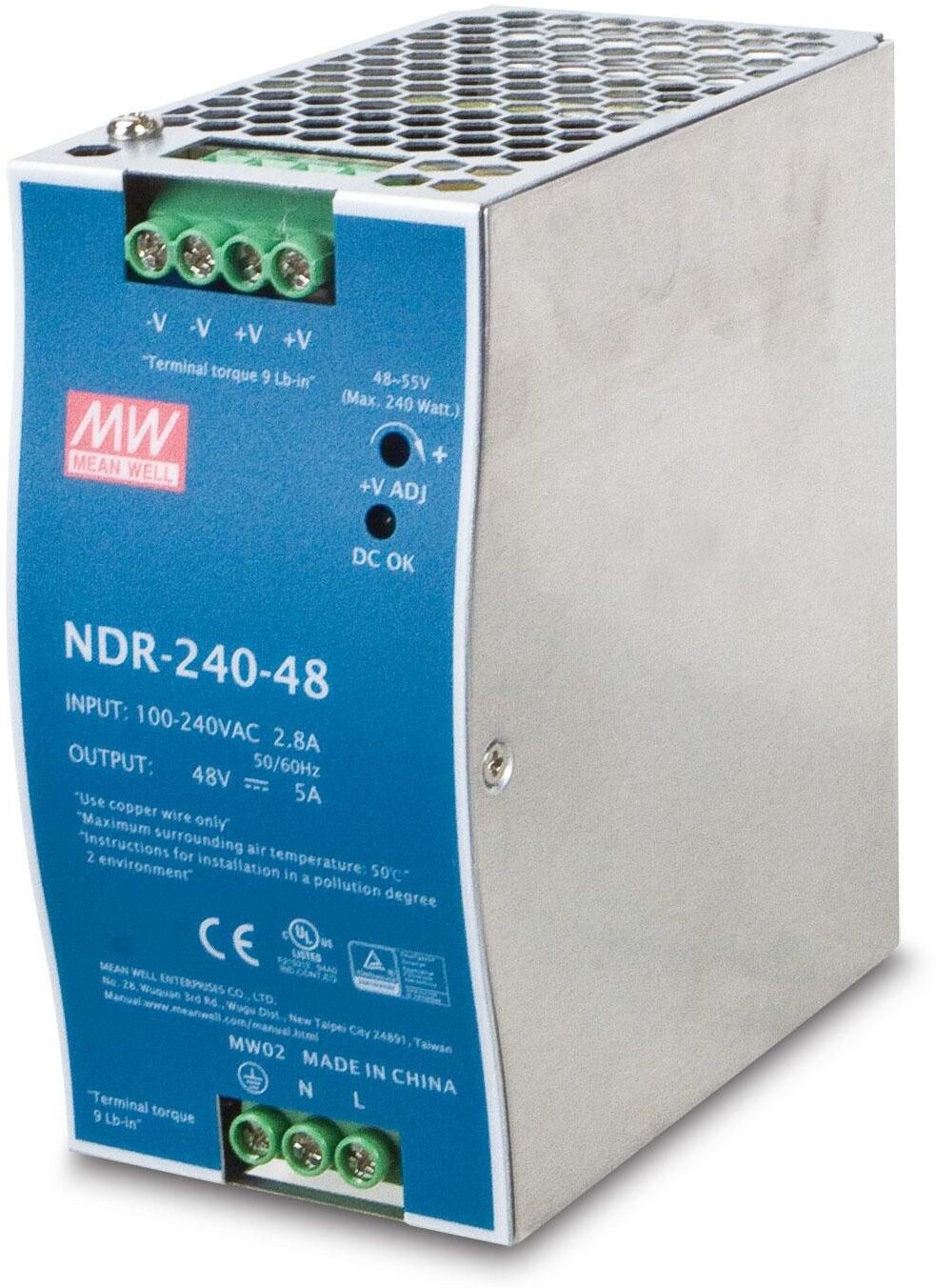
PLANET PWR-240-48 48V 240W DIN-Rail Power Supply (NDR-240-48)The PLANET PWR-240-48 is a single-output industrial DIN-rail power supply that accepts 100-240V AC input and delivers 48V DC (adjustable 48-56V) at up to 240W. It mounts on a TS-35 DIN rail and is intended to power industrial Ethernet switches and PoE equipment in cabinets, with an operating range of -40 to 70°C.97,99 £*Shipping: 0,00 £Secure redirect to the provider


-
Which distro do you use, Linux users?
As an AI, I do not have personal preferences or the ability to use operating systems. However, Linux users often choose their distribution based on their specific needs and preferences. Some popular distributions include Ubuntu for its user-friendly interface, Fedora for its focus on the latest technologies, and Debian for its stability and reliability. Ultimately, the choice of distribution depends on the user's requirements and level of expertise. **
-
Why can't the Linux kernel be loaded?
The Linux kernel cannot be loaded because it is a fundamental part of the operating system that needs to be present in memory before any other software can run. The kernel is responsible for managing the system's resources, such as memory, CPU, and devices, and it provides essential services for other software to function. Without the kernel, the operating system cannot start and the computer cannot run any programs. Therefore, the kernel needs to be loaded into memory during the boot process in order for the operating system to become operational. **
-
How can one downgrade the Linux kernel?
To downgrade the Linux kernel, you can follow these steps: 1. First, identify the version of the kernel you want to downgrade to and make sure it is available in your distribution's package repository. 2. Next, use the package manager of your Linux distribution to remove the current kernel version. For example, in Ubuntu, you can use the command `sudo apt-get remove linux-image-<version>`. 3. Then, install the desired kernel version using the package manager. For example, in Ubuntu, you can use the command `sudo apt-get install linux-image-<desired_version>`. 4. Finally, reboot your system to load the downgraded kernel. Keep in mind that downgrading the kernel may have implications for system stability and compatibility with hardware and software, so it's important to carefully consider the reasons for downgrading and to backup important data before proceeding. **
-
What makes the Linux kernel so special?
The Linux kernel is special for several reasons. Firstly, it is open-source, meaning that its source code is freely available for anyone to use, modify, and distribute. This has led to a large and active community of developers constantly improving and updating the kernel. Additionally, the Linux kernel is highly customizable and can be tailored to specific needs, making it suitable for a wide range of devices and systems. Finally, the Linux kernel is known for its stability, security, and performance, making it a popular choice for servers, embedded systems, and other critical applications. **


How can I activate a newer Linux kernel?
To activate a newer Linux kernel, you can follow these steps: 1. Download the desired kernel version from the official Linux kernel website. 2. Compile the kernel source code on your system using the appropriate tools and configurations. 3. Install the newly compiled kernel on your system and update the bootloader configuration to boot from the new kernel. 4. Reboot your system to activate the newer Linux kernel. **
How can one use Linux Ubuntu for programming server applications and similar tasks?
To use Linux Ubuntu for programming server applications and similar tasks, one can start by installing the necessary programming languages and tools such as Python, Ruby, Node.js, or Java. Ubuntu's package manager, apt, can be used to easily install these tools. Next, one can set up a development environment by installing a text editor or an integrated development environment (IDE) such as Visual Studio Code or IntelliJ IDEA. Additionally, Ubuntu's terminal can be used to run server applications and manage the server environment. Finally, one can utilize Ubuntu's robust networking capabilities to configure and manage server applications, such as setting up web servers, databases, and other server-related tasks. **
Top-Angebote
Products related to Pwr:
-
Zebra PWR-BGA12V50W0WW 12V 4.16A 50W Power Supply BrickZebra PWR-BGA12V50W0WW AC/DC power supply brick delivering 12V DC at 4.16A (50W) from a 100-240V AC input. It is used to power Zebra single-slot charging cradles for mobile computers and scanners. The DC line cord (CBL-DC-375A1-01) and country-specific AC line cord are sold separately.69,49 £*Shipping: 0,00 £Secure redirect to the provider
-
Lilola Home Jazz Leather Aire Pwr Reclining Sofa & Loveseat Set w/Pwr Headrest, BT Spkrs, LED, Wireless Chrg Drop Tbl, USB, Strg & CuphldrsUpgrade your living space with the 2-piece Jazz Reclining Living Room Set — a sofa and loveseat built for comfort, style, and entertainment. Ambient LED lighting and built-in speakers set the mood for movie nights or gaming sessions.2653,99 $*Shipping: 0,00 $Secure redirect to the provider
-
Zebra CBL-DC-388A1-01 DC Line Cord for PWR-BGA12V50W0WW Power SupplyZebra CBL-DC-388A1-01 DC line cord. Connects the Zebra PWR-BGA12V50W0WW Level VI 12V/50W power supply to a single-slot charging cradle for Zebra mobile computers. Power supply sold separately.22,49 £*Shipping: 0,00 £Secure redirect to the provider
-
What is the difference between a PWR fan and a chassis fan?
A PWR fan is typically used in a power supply unit to cool down the components inside the PSU, ensuring they operate within safe temperature ranges. On the other hand, a chassis fan is used to cool down the internal components of the computer case, such as the CPU, GPU, and motherboard. While both fans serve the purpose of cooling down components, they are designed for different parts of the computer system and have different cooling requirements. **
-
Is the red PWR LED of the Raspberry Pi 4 B permanently turned off?
No, the red PWR LED of the Raspberry Pi 4 B is not permanently turned off. This LED indicates the power status of the Raspberry Pi, and it should be on when the device is powered on. If the red PWR LED is permanently turned off, it could indicate a power supply issue or a problem with the Raspberry Pi itself. It's important to troubleshoot and address the issue to ensure the proper functioning of the device. **
-
Which distro do you use, Linux users?
As an AI, I do not have personal preferences or the ability to use operating systems. However, Linux users often choose their distribution based on their specific needs and preferences. Some popular distributions include Ubuntu for its user-friendly interface, Fedora for its focus on the latest technologies, and Debian for its stability and reliability. Ultimately, the choice of distribution depends on the user's requirements and level of expertise. **
-
Why can't the Linux kernel be loaded?
The Linux kernel cannot be loaded because it is a fundamental part of the operating system that needs to be present in memory before any other software can run. The kernel is responsible for managing the system's resources, such as memory, CPU, and devices, and it provides essential services for other software to function. Without the kernel, the operating system cannot start and the computer cannot run any programs. Therefore, the kernel needs to be loaded into memory during the boot process in order for the operating system to become operational. **
Similar search terms for Pwr
-
Zebra PWR-BGA12V108W0WW 12V 9A 108W Power Supply for 5-Slot Charging CradleZebra 108 W level VI AC/DC power supply for Zebra 5-slot charging and communication cradles (TC5x/TC2x/RS5100 series and similar). Input 100-240 V AC, 2.8 A; output 12 V DC, 9 A. The DC line cord and the country-specific mains cord are sold separately.134,49 £*Shipping: 0,00 £Secure redirect to the provider
-
PLANET PWR-240-48 48V 240W DIN-Rail Power Supply (NDR-240-48)The PLANET PWR-240-48 is a single-output industrial DIN-rail power supply that accepts 100-240V AC input and delivers 48V DC (adjustable 48-56V) at up to 240W. It mounts on a TS-35 DIN rail and is intended to power industrial Ethernet switches and PoE equipment in cabinets, with an operating range of -40 to 70°C.97,99 £*Shipping: 0,00 £Secure redirect to the provider
-
How can one downgrade the Linux kernel?
To downgrade the Linux kernel, you can follow these steps: 1. First, identify the version of the kernel you want to downgrade to and make sure it is available in your distribution's package repository. 2. Next, use the package manager of your Linux distribution to remove the current kernel version. For example, in Ubuntu, you can use the command `sudo apt-get remove linux-image-<version>`. 3. Then, install the desired kernel version using the package manager. For example, in Ubuntu, you can use the command `sudo apt-get install linux-image-<desired_version>`. 4. Finally, reboot your system to load the downgraded kernel. Keep in mind that downgrading the kernel may have implications for system stability and compatibility with hardware and software, so it's important to carefully consider the reasons for downgrading and to backup important data before proceeding. **
-
What makes the Linux kernel so special?
The Linux kernel is special for several reasons. Firstly, it is open-source, meaning that its source code is freely available for anyone to use, modify, and distribute. This has led to a large and active community of developers constantly improving and updating the kernel. Additionally, the Linux kernel is highly customizable and can be tailored to specific needs, making it suitable for a wide range of devices and systems. Finally, the Linux kernel is known for its stability, security, and performance, making it a popular choice for servers, embedded systems, and other critical applications. **
-
How can I activate a newer Linux kernel?
To activate a newer Linux kernel, you can follow these steps: 1. Download the desired kernel version from the official Linux kernel website. 2. Compile the kernel source code on your system using the appropriate tools and configurations. 3. Install the newly compiled kernel on your system and update the bootloader configuration to boot from the new kernel. 4. Reboot your system to activate the newer Linux kernel. **
-
How can one use Linux Ubuntu for programming server applications and similar tasks?
To use Linux Ubuntu for programming server applications and similar tasks, one can start by installing the necessary programming languages and tools such as Python, Ruby, Node.js, or Java. Ubuntu's package manager, apt, can be used to easily install these tools. Next, one can set up a development environment by installing a text editor or an integrated development environment (IDE) such as Visual Studio Code or IntelliJ IDEA. Additionally, Ubuntu's terminal can be used to run server applications and manage the server environment. Finally, one can utilize Ubuntu's robust networking capabilities to configure and manage server applications, such as setting up web servers, databases, and other server-related tasks. **
* All prices are inclusive of VAT and, if applicable, plus shipping costs. The offer information is based on the details provided by the respective shop and is updated through automated processes. Real-time updates do not occur, so deviations can occur in individual cases. ** Note: Parts of this content were created by AI.